Do the humanities have a future in the age of AI?
/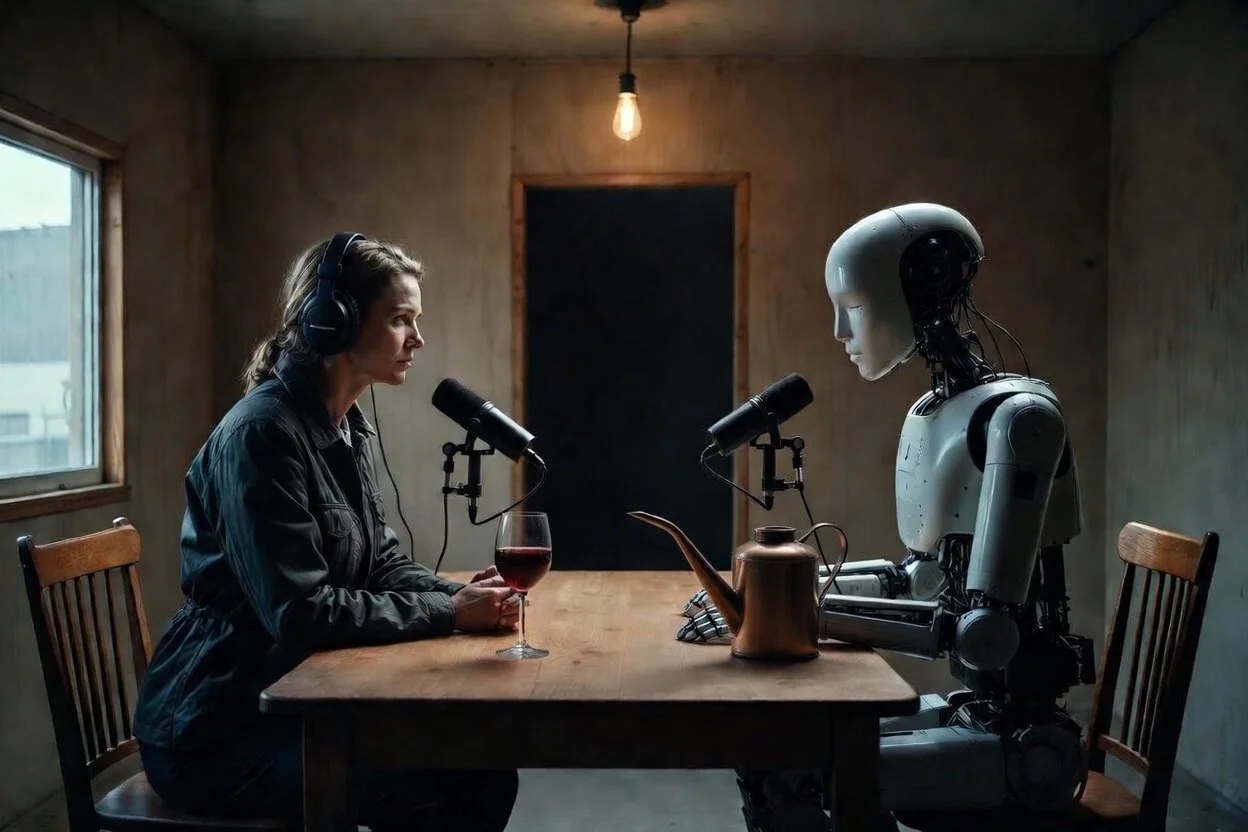
The more I learn from AI models and their creators, the more it seems that colleges are heading in exactly the wrong direction. The future lies in the humanities.
Read MoreThe more I learn from AI models and their creators, the more it seems that colleges are heading in exactly the wrong direction. The future lies in the humanities.
Read MoreA professor at a prestigious university sent me a query about his wife; I’ve withheld his name and school to protect their marriage.
My wife has a hard time distinguishing between facts and truth—my description. In her worldview facts are only facts if they are (verifiably and objectively proven) true. Her latest contention is that people like her are not moved by any of the classic aspects of rhetoric—ethos, logic, or emotion. People like her are persuaded only by verifiably true facts.
What do you call these people?
This “just-the-facts-ma’am” attitude lands in a category of resentful humanity I call Spocks. That doesn’t mean my friend married an alien; but some high-IQ people clearly resist what Aristotle called our “sorry human nature.”

The hand thing shows even logical species can be polite.
As a Spock-adjacent person myself, I can’t help but find this facts-are-truth attitude rather illogical. Here’s why: There is no such thing as an absolute truth.
I’ll offer two reasons for this sad, um, truth.
Facts come from sources; reliability only exists to the extent that we trust those sources.
Take science. Even scientists aren’t keen on the term “facts” when they discuss their data. Data are variously reliable. Tests, especially those in the social sciences, depend on all-too-subjective definitions. Data lead to theories—explanations of existing data. Explanations aren’t facts, and they change as the data lead in a different direction. (Witness the public health advice during Covid, based on well-reasoned theories that proved false.)
Or take journalism. Our reliance on trustworthy news depends on how much we trust journalists.
Or take government, once a key source of data on the economy and the workings of government itself, now increasingly run by politicians with an agenda.
Facts, in short, become truth only when we believe them. Belief comes from trust in the sources. And trust is a matter of ethos, the audience’s belief in the people behind the facts.
The only truthful answer to any legitimate question is “That depends.” The truth is contingent; it depends on the circumstances.1 A truth can even slide around when you haven’t nailed down the definition.
Let’s test some fact-based “truths”:
The Earth is round. That depends on how you define “round.” The planet is not a true sphere but an “oblate spheroid” with bumps and ditches. The Earth’s love-handle middle affects the timing and scope of ocean tides and currents, and even the weather. If roundness were an absolute truth, that truth would hurt.
Time is linear. That depends on whether you believe physicists, who say it isn’t. Or whether you understood this movie.
The sun will come up tomorrow. That depends on whether you believe the sun literally rises, and whether a cloudy day still counts.
God is love. That depends on whether you believe in a god that’s implied in the statement; and whether you believe that God is nothing but love. If A = C, therefore C = A. Is love God? Can you worship love, and not just that crush you had in high school?
Biden won. OK, he definitely won. But what makes the bigger difference in politics is who believes that. No matter how much you believe, some very important people will need convincing. Hence rhetoric and its reliance on ethos.
As my own wife tells me, this nitpicking rhetoricizing can get pretty annoying. Besides, why does it matter?
Put it this way: Who would you have commanding the Starship Enterprise—this guy?

Kirk was the resilient master of contingency.
Or this guy?
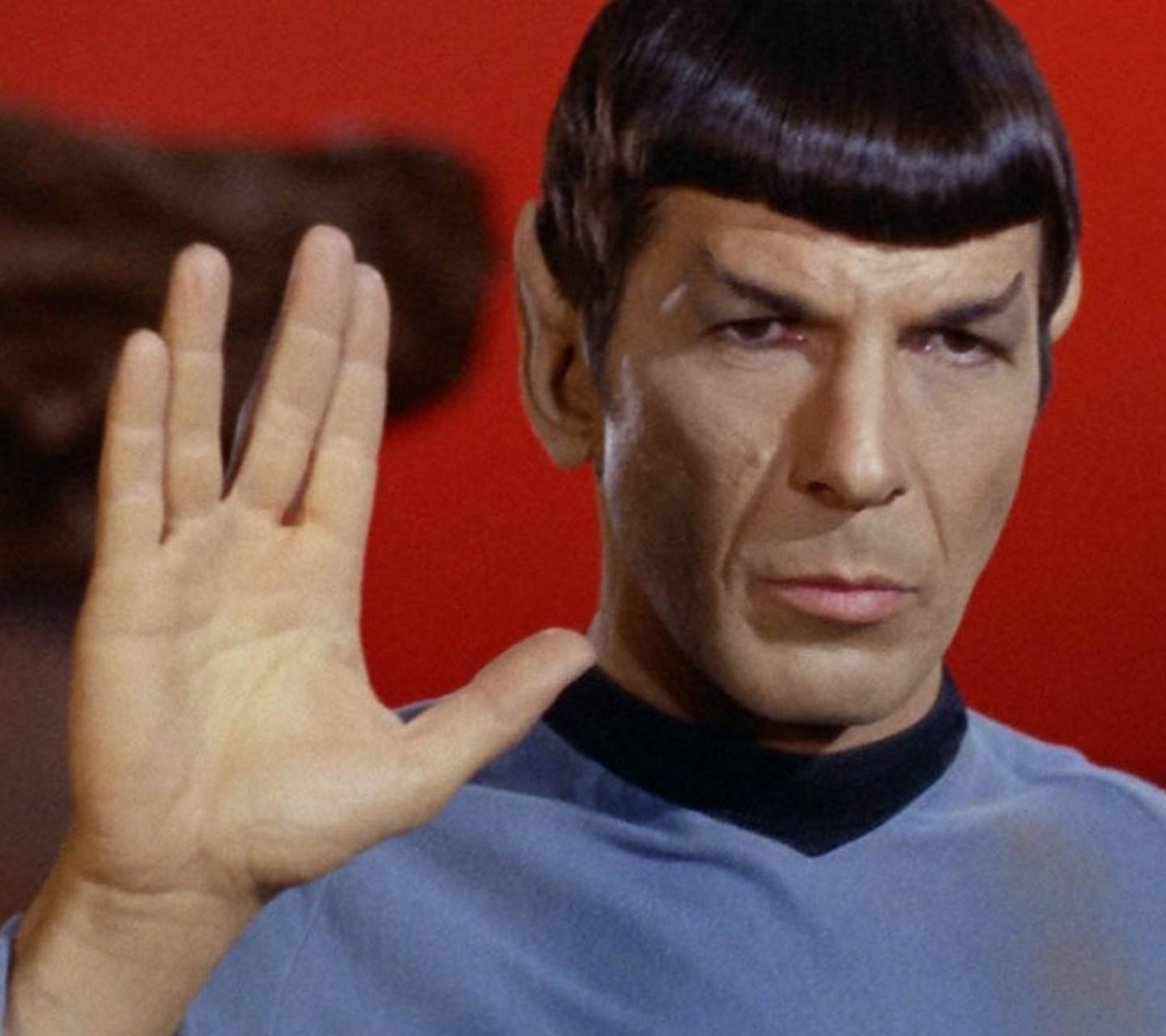
Spock made good decisions only when he tapped into his human DNA.
This was Aristotle’s greatest contribution to rhetoric. Unlike dialectic, which pursues the “truth,” rhetoric leads to choices that respond to particular circumstances. Feel free to use the comments to ask what the heck I’m talking about; the notion of contingency is fundamental to deliberative argument.
Some years ago, I gave a talk to 300 marketing executives at a major corporation. The subject was “How to Screw Up.” Being a master at screwing up, I felt well qualified for the presentation.
Read MoreWhy we need broadminded humor, especially now.
Read MoreThe art of persuasion has to do with changing people’s mood, their mind, or their actions. So how does it work when you’re trying to change your own habits?
Read MoreThe great Writing with Andrew videocast offers advice to anyone (like me!) who struggles to write. Here he has me offer ways that rhetoric—and self-persuasion—can help overcome writer’s block, imposter syndrome, and a lack of inspiration.
Read MoreA place to practice argument and persuasion - based on the bestselling Thank You for Arguing by Jay Heinrichs.
Some years ago, I gave a talk to 300 marketing executives at a major corporation. The subject was “How to Screw Up.” Being a master at screwing up, I felt well qualified for the presentation.



The more I learn from AI models and their creators, the more it seems that colleges are heading in exactly the wrong direction. The future lies in the humanities.